Brick vs. Stone Tuckpointing: Key Differences for Commercial Projects
People searching for brick vs. stone tuckpointing: key differences for commercial projects are typically looking to improve masonry durability and appearance, and local contractors can help select and skillfully perform the right tuckpointing for their needs.
If you’re exploring options for tuckpointing on a commercial property, understanding the differences between brick and stone tuckpointing is essential. Property owners in the area often consider these options to enhance the durability, appearance, and value of their buildings. Whether the goal is to preserve historic charm or ensure structural integrity, knowing which material and technique best suit your project can make a significant difference. Local contractors who specialize in tuckpointing services can provide insights into these key distinctions, helping you make informed decisions that align with your property’s needs.
Delving into brick versus stone tuckpointing involves examining factors like aesthetic appeal, material strength, and maintenance requirements. Each approach offers unique benefits depending on the building’s design and purpose. Property owners who want to maintain a classic look or improve weather resistance might find one option more suitable than the other. Connecting with experienced service providers in the area can help clarify these differences and identify the best solution for your commercial project. Keep reading to discover how local experts can support your tuckpointing needs with tailored advice and quality craftsmanship.
- Commercial brick tuckpointing - needed when restoring or maintaining brick facades on commercial buildings, with local contractors focusing on matching mortar colors and textures.
- Stone tuckpointing for commercial projects - required for historic or decorative stonework, with service providers emphasizing careful stone selection and precise mortar application.
- Brick vs. stone tuckpointing considerations - relevant when choosing materials for new construction or renovation, with local pros advising on durability and aesthetic compatibility.
- Specialized tuckpointing services for brick - suitable for projects involving brick walls that need mortar repair or replacement, with local contractors ensuring structural integrity.
- Stone tuckpointing for architectural features - used for restoring or preserving stone elements on commercial buildings, with service providers skilled in matching original craftsmanship.
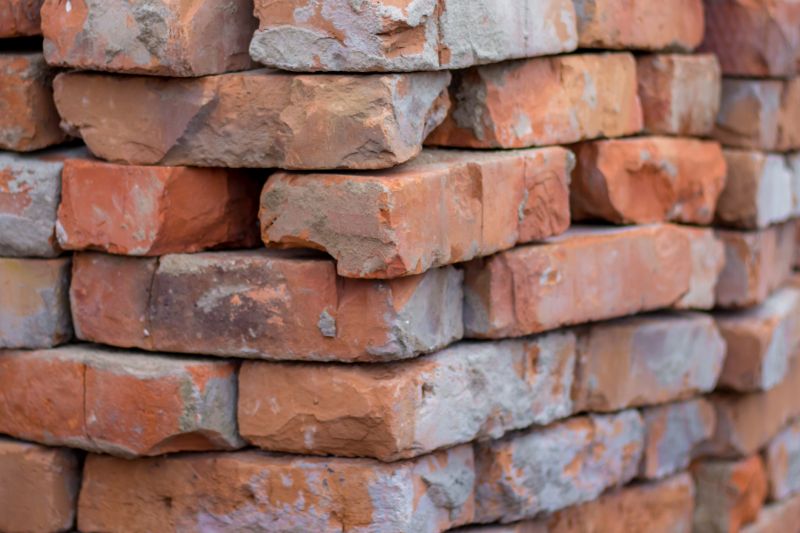
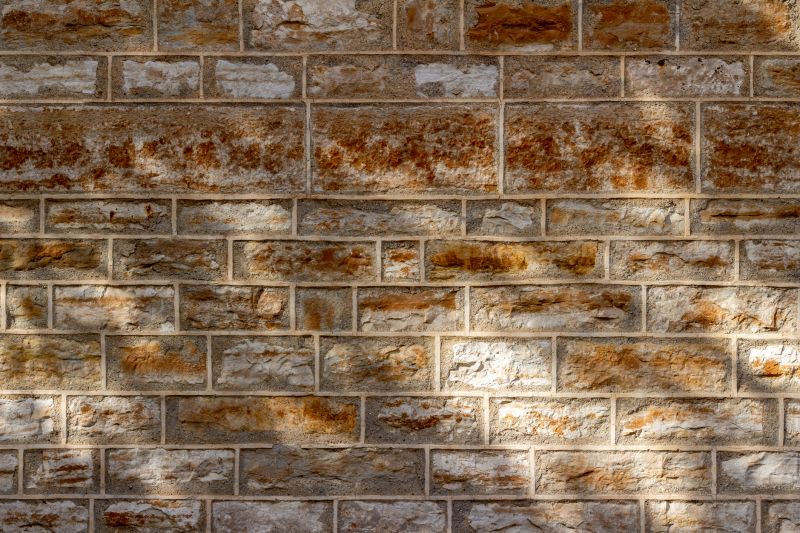
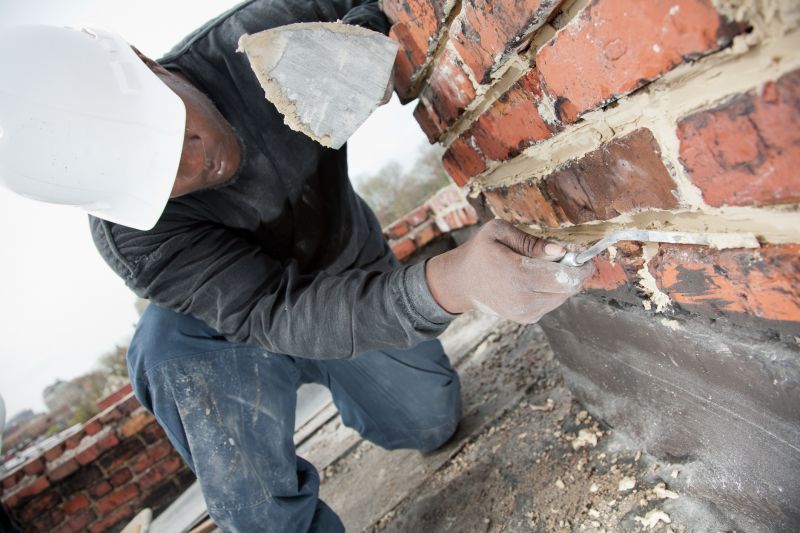
When people search for brick vs. stone tuckpointing: key differences for commercial projects, they are often trying to understand how these two materials and techniques compare in terms of appearance, durability, and suitability for their specific property. This topic typically arises in the context of maintaining or restoring masonry exteriors on commercial buildings, such as retail centers, office complexes, or industrial facilities. Property owners and managers may be planning repairs, renovations, or façade upgrades and want to ensure they choose the right tuckpointing approach to match the original materials or achieve a desired aesthetic. Understanding the fundamental differences helps in making informed decisions that affect the longevity and visual appeal of a building’s masonry.
The problems associated with brick vs. stone tuckpointing: key differences for commercial projects usually involve issues like mortar deterioration, water infiltration, or structural stability. Over time, mortar joints can crack, erode, or loosen, leading to potential damage to the masonry units themselves. When planning tuckpointing, property owners often consider whether to focus on brick or stone, as each material responds differently to repair techniques. For example, brick surfaces may require specific mortar mixes to match the existing joints, while stone surfaces might need more careful handling to prevent cracking or chipping. These considerations are especially relevant when addressing existing damage or planning preventative maintenance to extend the life of the building’s exterior.
Commercial properties that typically come up in discussions about brick vs. stone tuckpointing include office buildings, retail centers, warehouses, and historic structures. These types of properties often feature masonry facades that are visible and integral to the building’s overall appearance. The choice between brick and stone can influence the repair approach, with some projects requiring more delicate work for natural stone surfaces or specific mortar formulations for brick. Local contractors who specialize in tuckpointing can assess the unique needs of each property, considering factors like the age of the building, the type of masonry, and the desired aesthetic outcome. Their expertise ensures the right techniques and materials are used to preserve or enhance the building’s exterior.
Understanding the differences between brick and stone tuckpointing for commercial projects helps property owners and managers make smarter decisions about repair and maintenance. Local service providers who focus on tuckpointing can evaluate the specific characteristics of a building’s masonry, recommend appropriate solutions, and execute repairs that match the original construction. Whether addressing structural concerns or restoring visual appeal, working with experienced pros ensures that the chosen approach-be it brick or stone-fits the project’s needs and helps maintain the integrity of the property over time. This knowledge ultimately supports the longevity and appearance of commercial masonry, making it a key consideration for property preservation and enhancement.
Brick Restoration Projects - Local contractors skilled in brick restoration often perform tuckpointing to repair and preserve historic brick facades in commercial buildings.
Stone Masonry Repair - Service providers experienced in stone masonry can handle tuckpointing for stone structures, ensuring proper joint sealing and aesthetic consistency.
Facade Repointing Services - Repointing of building facades involves similar skills and tools used in brick and stone tuckpointing to improve durability and appearance.
Historical Building Preservation - Preservation specialists utilize tuckpointing techniques to maintain the structural integrity of historic brick and stone exteriors.
Masonry Cleaning and Restoration - Cleaning and restoring masonry surfaces often require tuckpointing to address damaged mortar joints on both brick and stone surfaces.
Commercial Masonry Landscaping - Landscaping projects involving masonry features like retaining walls or decorative facades benefit from the expertise of local contractors familiar with tuckpointing methods.
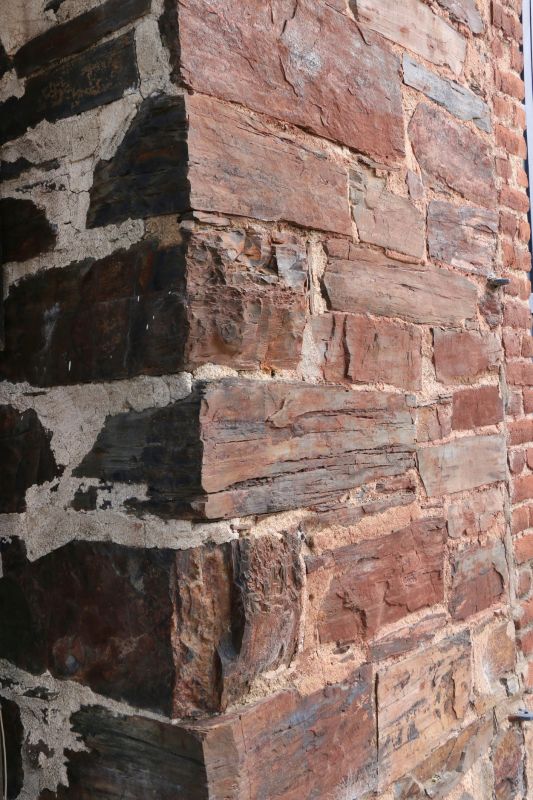
When comparing service providers for brick vs. stone tuckpointing, it is essential to consider their experience with similar projects, especially those involving commercial properties. Contractors who have handled comparable jobs are more likely to understand the nuances of working with different materials and the specific requirements of commercial structures. Inquiring about their past projects can provide insight into their familiarity with the unique challenges posed by brick and stone tuckpointing, ensuring that the selected contractor has the appropriate expertise to deliver quality results.
Clear, written expectations are a critical aspect of choosing the right local contractors for tuckpointing services. A detailed scope of work that outlines the materials, techniques, and level of finish helps prevent misunderstandings and sets a foundation for a successful project. When reviewing potential service providers, it is beneficial to request documentation that clearly describes their approach and deliverables. This transparency allows for a more informed comparison and ensures that both parties have aligned expectations from the outset.
Reputable references and effective communication are key indicators of a reliable tuckpointing contractor. Speaking with previous clients about their experiences can reveal insights into the contractor’s professionalism, reliability, and ability to meet project needs. Additionally, good communication throughout the process-such as timely responses to questions and clarity in explanations-helps facilitate a smooth project. When evaluating local pros, prioritizing those with strong references and transparent communication practices can lead to a more confident decision when selecting a partner for brick vs. stone tuckpointing services.
Property owners often search for brick vs. stone tuckpointing: key differences for commercial projects when they are planning practical projects around their homes and businesses. Local pros provide Brick vs. Stone Tuckpointing services for everyday jobs and straightforward project options.
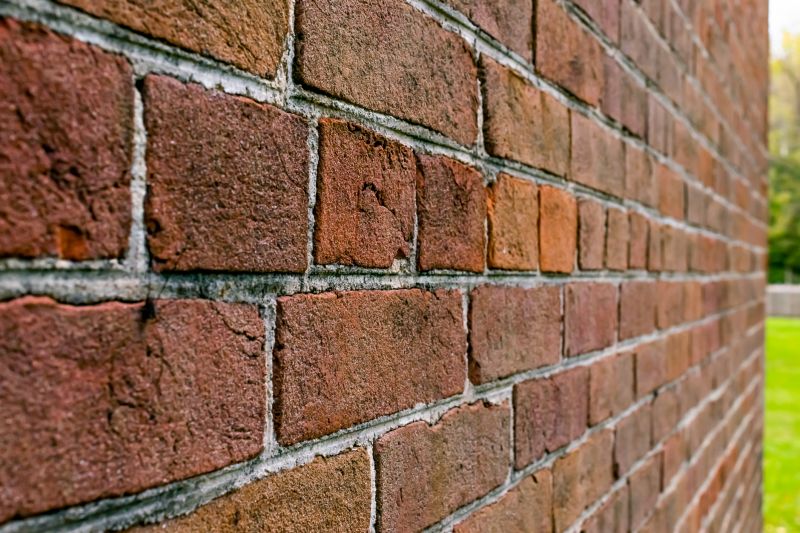
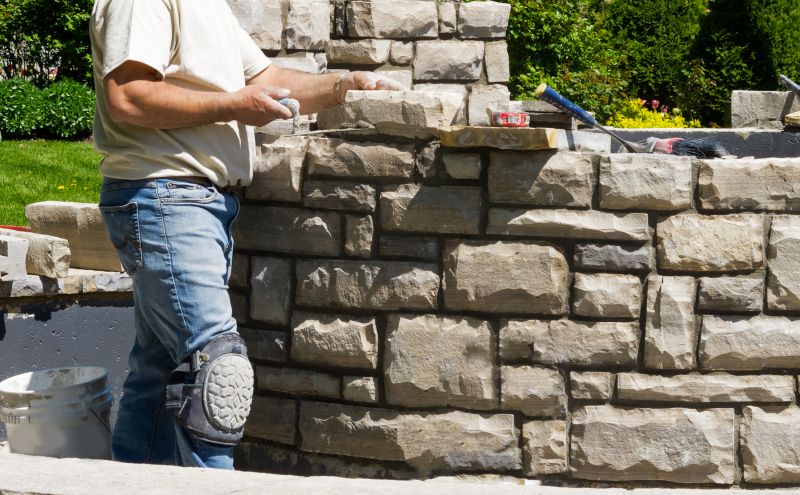
Understanding the differences between brick and stone tuckpointing can help property owners make informed decisions for their commercial buildings. Brick tuckpointing typically involves repairing or restoring the mortar joints between bricks, which are common in many commercial facades. This process can be straightforward and cost-effective for buildings with brick exteriors, helping to improve appearance and prevent water infiltration. On the other hand, stone tuckpointing deals with the mortar joints in stone walls, which often require more precise work due to the irregular shape and size of stones. Property owners might look into these services to maintain structural integrity or enhance the aesthetic appeal of their commercial properties, depending on whether their building features brick or stone materials.
Local contractors who specialize in tuckpointing can provide tailored solutions based on the material of a building’s exterior. For brick structures, pros often focus on matching mortar color and texture to preserve the original look, while also ensuring durability. For stone buildings, service providers may emphasize careful mortar removal and replacement to accommodate the unique shapes of stones. Property owners searching for tuckpointing services can find experienced local experts who understand the specific requirements of brick versus stone work, helping to ensure that repairs are both effective and visually consistent with the building’s original design.
What are the main differences between brick and stone tuckpointing for commercial projects? Brick tuckpointing typically involves repairing mortar joints in brick masonry to improve appearance and durability, while stone tuckpointing addresses mortar joints in stone structures, often requiring different techniques due to the varying materials and textures involved.
How does the choice between brick and stone affect the tuckpointing process? The material being repaired influences the tools and methods used; brick tends to be easier to work with due to its uniformity, whereas stone may require more specialized skills to match the natural textures and ensure a seamless finish.
Are there specific considerations for commercial projects when choosing between brick and stone tuckpointing? Yes, factors such as the building's design, the type of masonry, and the desired aesthetic impact can influence whether brick or stone tuckpointing is more appropriate for a commercial structure.
Can local contractors handle both brick and stone tuckpointing for commercial buildings? Many service providers have experience with both materials, enabling them to recommend and perform the most suitable tuckpointing techniques based on the specific needs of a commercial project.
Why might a business choose brick tuckpointing over stone for their commercial property? Brick tuckpointing often offers a cost-effective and efficient solution for maintaining or restoring brick facades, especially when matching existing brickwork, while still providing a durable and attractive finish.
Understanding material differences - Property owners can learn how brick and stone materials vary in durability and appearance to choose the best tuckpointing approach for their commercial buildings with help from local contractors.
Matching mortar colors and textures - When planning a tuckpointing project, knowing how brick and stone require different mortar styles can ensure a cohesive and long-lasting repair, with guidance from local service providers.
Assessing structural needs - Deciding between brick and stone tuckpointing involves evaluating the building’s structural requirements, which local pros can help analyze for optimal restoration solutions.
Choosing appropriate repair techniques - Property owners can explore the specific tuckpointing methods suited for brick versus stone surfaces to achieve a seamless and durable finish with assistance from experienced local contractors.
If you are thinking about brick vs. stone tuckpointing: key differences for commercial projects for a property, this guide is meant to help you understand this topic, the typical project types, and how different options might fit your plans.
When you are ready, you can use the quote form on this page to share a few details about your project. From there, local pros can review the basics and follow up with options that match what you have in mind.