How Tuckpointing Helps Prevent Structural Damage in Commercial Properties
Commercial tuckpointing helps prevent structural damage in commercial properties by restoring mortar joints, and local contractors can provide expert services to keep your building safe and durable.
Understanding how tuckpointing helps prevent structural damage in commercial properties is essential for property owners seeking to maintain the integrity of their buildings. Over time, mortar joints can deteriorate due to weather exposure, leading to cracks, gaps, and weakened walls. Proper tuckpointing involves carefully renewing these mortar lines, which helps keep the brickwork stable and prevents water infiltration that can cause further damage. Exploring this topic can reveal practical ways to protect a commercial investment and extend the lifespan of the property’s structure.
For those managing commercial properties in the area, working with experienced local contractors who specialize in tuckpointing can be a strategic move. These professionals understand the specific challenges faced by commercial buildings and can provide services designed to reinforce the structure’s resilience. By addressing mortar deterioration early, property owners can reduce the risk of costly repairs down the line. Keep reading to learn more about how tuckpointing can serve as a vital component of building maintenance and preservation.
- Commercial building facades - when signs of mortar deterioration appear, local contractors can assess and perform tuckpointing to reinforce structural integrity.
- Warehouse exteriors - in cases of cracked or crumbling brickwork, service providers can restore mortar joints to prevent water infiltration and damage.
- Office complex walls - if mortar joints show signs of aging, local pros can carefully replace them to maintain the building’s stability and prevent further issues.
- Retail storefronts - when brickwork begins to loosen or shift, skilled contractors can perform tuckpointing to support the structure and reduce risk of damage.
- Industrial facility facades - in instances of mortar erosion, service providers can strengthen the masonry to help prevent costly structural problems down the line.
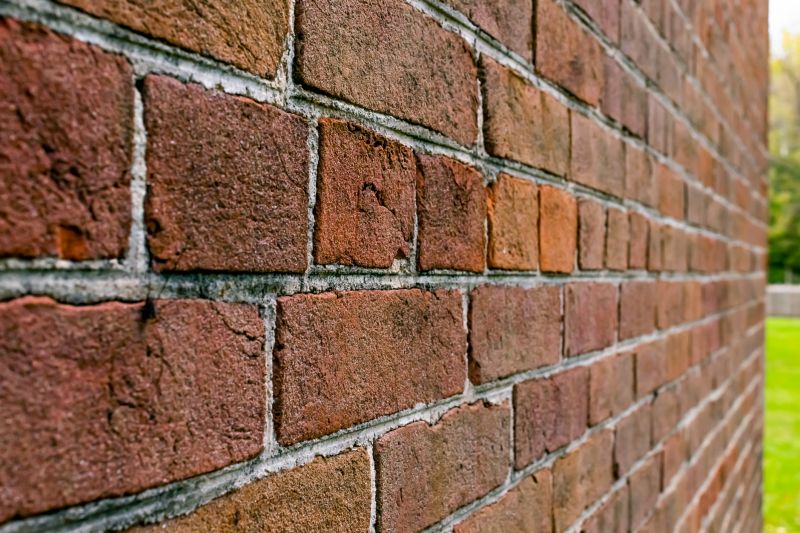
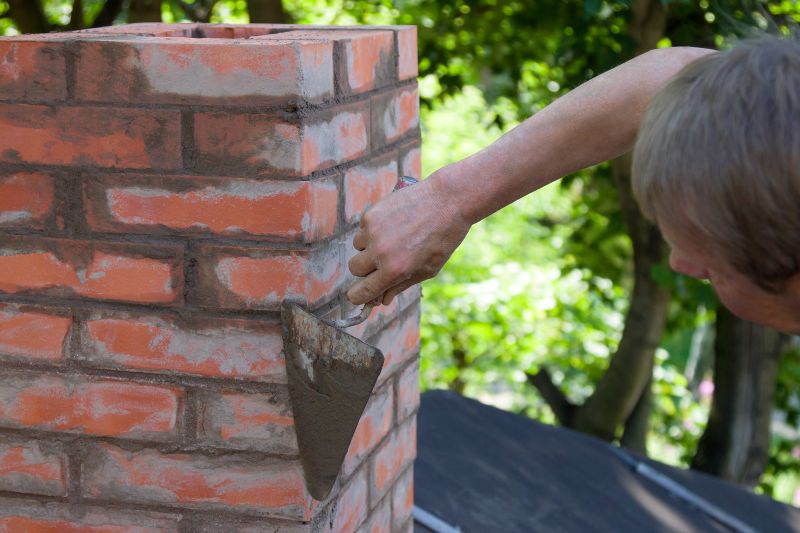
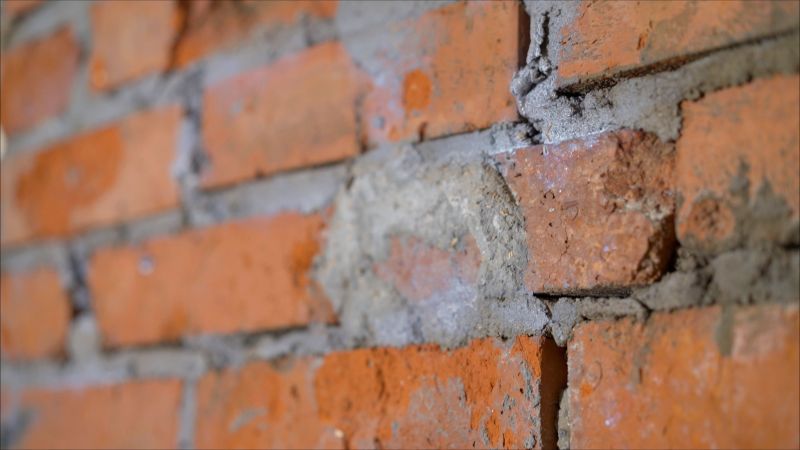
When people search for how tuckpointing helps prevent structural damage in commercial properties, they are often concerned with maintaining the integrity and safety of their buildings. This topic relates to the ongoing effort to preserve brick and masonry exteriors, which are common features of many commercial structures. The focus is typically on identifying early signs of deterioration, such as cracked or crumbling mortar joints, and understanding how addressing these issues can stop further damage. Commercial property owners and managers want to ensure their investments remain secure and functional, making tuckpointing a key part of their maintenance plans.
This process is especially relevant in the context of common problems like moisture infiltration, freeze-thaw cycles, and structural shifting. When mortar joints weaken or erode, they create openings that allow water to penetrate deeper into the masonry. Over time, this can lead to more serious issues such as brick spalling, foundation instability, or even partial collapse. Tuckpointing involves removing deteriorated mortar and replacing it with fresh material, which restores the wall’s protective barrier. Many property plans also include regular inspections and tuckpointing to prevent these problems from escalating, ensuring the longevity of the building’s exterior.
Commercial properties that often come up in discussions about tuckpointing include office buildings, retail centers, warehouses, and multi-unit apartment complexes. These structures tend to have extensive brick or stone facades that require consistent maintenance to prevent damage. Older buildings, in particular, are more susceptible to mortar deterioration due to age and exposure to the elements. Property owners managing such structures recognize the importance of timely tuckpointing to avoid costly repairs or structural compromise down the line. Local contractors specializing in commercial tuckpointing are equipped to handle these projects, offering expertise that helps maintain the stability and appearance of these properties.
Understanding how tuckpointing supports the structural integrity of commercial buildings highlights its role as a proactive maintenance measure. When performed by experienced service providers, tuckpointing not only improves the aesthetic appeal but also reinforces the building’s resistance to environmental stressors. This work is often integrated into broader preservation and repair plans, especially for historic or high-traffic properties. For property owners and managers, connecting with local pros who specialize in commercial tuckpointing ensures that the job is done correctly and efficiently. This helps safeguard the property’s foundation and overall stability, making tuckpointing a vital step in long-term building care.
Masonry Restoration Projects - Local contractors skilled in masonry restoration can help preserve the structural integrity of commercial buildings, utilizing techniques similar to tuckpointing to repair and reinforce brickwork.
Brick and Stone Repair - Professionals experienced in brick and stone repair use similar tools and planning methods to address cracks and deterioration that threaten building stability.
Building Facade Restoration - This type of project involves restoring and maintaining exterior surfaces, requiring expertise in mortar work comparable to tuckpointing to prevent water intrusion and damage.
Structural Crack Repair - Addressing cracks in walls and facades involves skills akin to tuckpointing, focusing on preventing further deterioration and ensuring long-term stability.
Historical Building Preservation - Preserving older commercial properties often involves tuckpointing-like techniques to maintain original brickwork and prevent structural issues.
Waterproofing and Sealant Application - Applying sealants and waterproofing agents complements tuckpointing efforts by protecting masonry from moisture-related damage that can compromise structure.
When evaluating commercial tuckpointing services, it is important to consider the experience of local contractors with similar projects. An experienced service provider will have a track record of handling buildings comparable in size, design, and age to the property in question. This familiarity can help ensure that the work is performed effectively, addressing specific issues that may arise in commercial structures, such as maintaining the integrity of load-bearing walls and preventing water infiltration. Homeowners should inquire about the types of properties the contractors have worked on and whether they have successfully completed tuckpointing projects that align with the scope of their commercial property.
Clear, written expectations are essential for a successful partnership with any service provider. When comparing local pros, it is beneficial to review detailed proposals that outline the scope of work, materials to be used, and the timeline for completion. This documentation helps prevent misunderstandings and provides a reference point throughout the project. A reputable contractor will be transparent about what their tuckpointing services include and will be willing to clarify any questions or concerns. Having well-defined expectations ensures that both parties are aligned on the goals of the project, which is particularly important for maintaining the structural health of commercial properties.
Reputable references and good communication are key indicators of a reliable service provider. When considering local contractors, it is advisable to seek out testimonials or references from previous clients who had similar tuckpointing needs. This feedback can provide insight into the quality of workmanship and the contractor’s professionalism. Additionally, effective communication throughout the project fosters a smooth process, allowing homeowners to stay informed about progress, potential issues, and any adjustments needed. Choosing a service provider known for clear, responsive communication and positive references can help ensure that the tuckpointing work will support the structural integrity of the commercial property and meet expectations.
Property owners often search for how tuckpointing helps prevent structural damage in commercial properties when they are planning practical projects around their homes and businesses. Local pros provide Commercial Tuckpointing services for everyday jobs and straightforward project options.
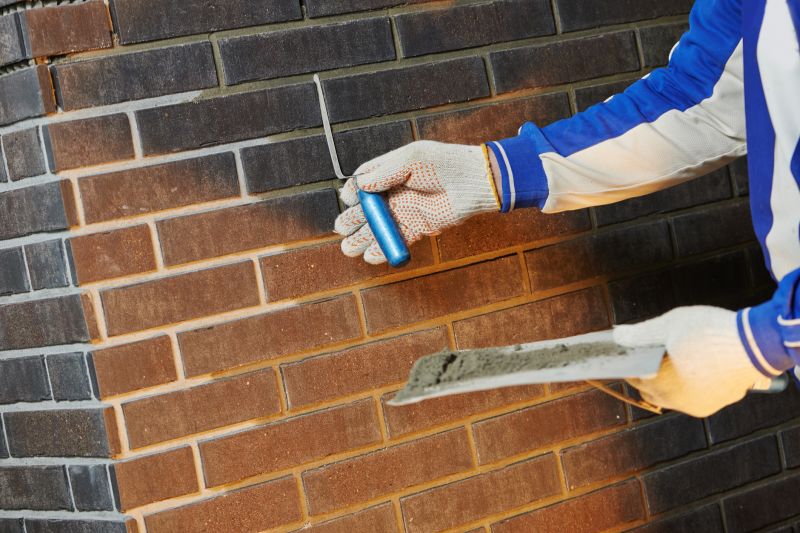
Tuckpointing is a practical maintenance step that helps protect commercial properties from the effects of weather and age. Over time, mortar joints can develop cracks or deterioration, which may allow water to seep into the brickwork. When water infiltrates, it can cause the mortar to weaken further and lead to structural issues such as cracks or even brick displacement. Property owners in the area often look into tuckpointing services to address these vulnerabilities early, preventing more extensive and costly damage down the line.
Engaging experienced contractors for tuckpointing can be an effective way to maintain the integrity of a commercial building’s exterior. Skilled service providers use specialized techniques to replace or repair damaged mortar, sealing the brickwork against moisture intrusion. This proactive approach not only preserves the building’s appearance but also helps avoid the risk of structural problems that could compromise safety or stability. For property owners seeking reliable solutions, local contractors offering tuckpointing services are a practical option to help safeguard their investment.
How does tuckpointing help prevent water infiltration in commercial properties? Tuckpointing seals cracks and gaps in mortar joints, preventing water from seeping into the building structure and causing damage over time. Local contractors can perform this work to protect the integrity of the property’s walls.
In what ways does tuckpointing contribute to maintaining the structural stability of commercial buildings? By repairing deteriorated mortar, tuckpointing reinforces the wall’s strength and prevents the formation of larger cracks that could compromise the building’s stability. Skilled service providers ensure the work supports long-term structural health.
Can tuckpointing help prevent damage caused by freeze-thaw cycles in commercial properties? Yes, tuckpointing helps fill in cracks and joints that could allow moisture to enter, reducing the risk of freeze-thaw damage that can cause mortar to crack and walls to weaken. Local pros can address these issues effectively.
How does tuckpointing improve the overall durability of brick or masonry walls in commercial settings? Tuckpointing restores mortar strength and prevents deterioration, which extends the lifespan of brick or masonry walls and maintains their load-bearing capacity. Experienced contractors can ensure proper application for lasting results.
Why is regular tuckpointing important for preventing structural issues in commercial properties? Regular tuckpointing helps identify and repair mortar deterioration early, preventing small issues from developing into major structural problems. Local service providers can help maintain the building’s stability over time.
Assessing brick and mortar integrity - Regular inspections by local contractors can identify early signs of mortar deterioration, allowing for timely tuckpointing to reinforce structural stability.
Addressing mortar cracks promptly - When cracks appear in exterior masonry, local pros can perform tuckpointing to prevent water infiltration and further damage.
Restoring damaged mortar joints - Repointing with fresh mortar helps maintain the strength of load-bearing walls, reducing the risk of structural issues over time.
Maintaining proper joint sealing - Ensuring mortar joints are properly sealed with tuckpointing protects against moisture penetration that can weaken the building’s foundation.
If you are thinking about how tuckpointing helps prevent structural damage in commercial properties for a property, this guide is meant to help you understand this topic, the typical project types, and how different options might fit your plans.
When you are ready, you can use the quote form on this page to share a few details about your project. From there, local pros can review the basics and follow up with options that match what you have in mind.